
CORRECTIONAL SERVICES PS PUSHES FOR ENHANCED BUDGETARY ALLOCATION
By Nicholas Kigondu
The State Department for Correctional Services is seeking enhanced budgetary allocation to support the ongoing reforms agenda targeting the country’s correctional system.
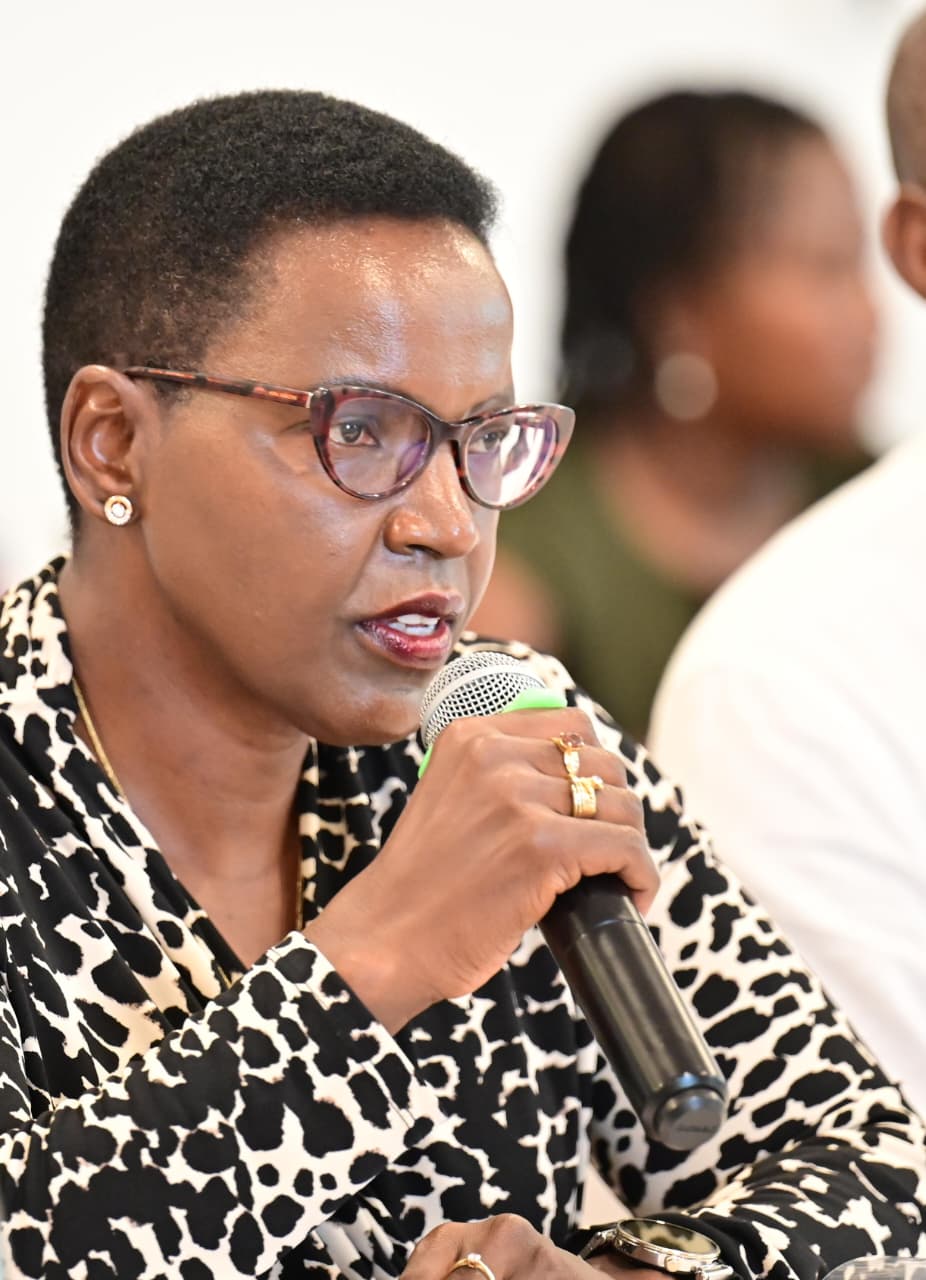
While presenting the 2024/25 financial annual report and other matters of concern to the State Department before the Justice and Legal Affairs Committee in Mombasa, Principal Secretary Dr. Salome Beacco said inadequate budgetary allocation and budget rationalization in key mandate areas have proved to be major stumbling blocks in the realization of the envisaged reforms.
According to the PS, the department is reeling from the effects of pending bills amounting to 4.24 billion shillings and other related financial challenges which, if addressed, could result in better outcomes. Some of the challenges include congestion in penal institutions, inadequate motor vehicles and equipment, mental health and wellness concerns among correctional staff and inmates, and the slow pace of digitalization.
While acknowledging the challenges, Justice and Legal Affairs Committee Chairperson George Murugara said the committee remains committed to supporting the department, even as he called for integrated approaches meant to enhance self-sufficiency.
During the meeting, the PS outlined some of the milestones realized amid the tight fiscal environment, including the safe custody of a daily average of 61,000 inmates, recruitment of an additional 3,897 KPS officers who are currently undergoing training at PSTC, treatment programmes for a daily average of 490 boys and girls in Borstal Institutions/Youth Corrective Training Centre (YCTC), as well as supervision of 135 penal institutions spread across 8 regions and 47 counties within the country.
Others include acquisition and distribution of 15,000 sets of uniform and 7,800 bedding and linens to inmates, formal education to 3,607 inmates, vocational training of 6,057 long-serving inmates, registration of 363 and 137 inmates for KPSEA and KCSE examinations respectively, and enhanced staff capacity through in-service training of 6,247 prison officers, induction of 357 newly recruited probation officers, and training of 365 senior and middle-level probation officers.